 Freaky Font Fonts That Break the Rules
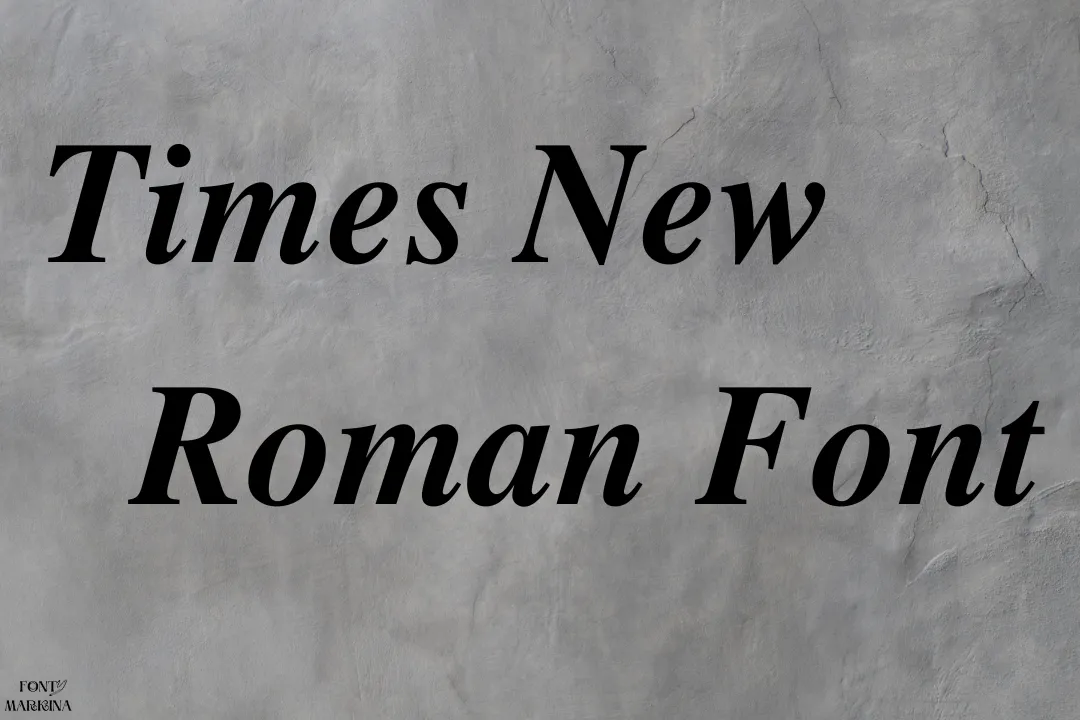
Times New Roman Font falls in the classification of serif typeface designed for use in body text. This family was authorized by the British newspaper The Times in the year 1931 and constructed by the brilliant mind of Stanley Morison, a significant British typographer, and Victor Lardent, a lettering artist.
The design of the typeface is influenced by traditional serif typefaces, such as Garamond and Caslon, but it also incorporates features intended to make it more readable on poor-quality newsprint paper. Also, you can explore it on Google. This font family is effective for Adobe and Word. It has various styles, and the Taviraj font is similar.
Usage of Times New Roman Font
Times New Roman font is widely used in academic writing, official documents, newspapers, and publishing industries due to its clear readability and professional style. It remains the default font in Microsoft Word and is a popular choice for school assignments, research papers, and business reports.
Designers also use Times New Roman in graphic design, logos, book covers, and print media when they want to convey a formal or classic look. It pairs well with fonts like Arial, Helvetica, and Calibri, making it versatile for typography combinations. Many people also try this font with online generator tools to preview different text styles before downloading.
For digital use, Times New Roman works perfectly in CSS, Canva, Adobe Photoshop, and other design software. Whether you are creating a website, presentation, or marketing material, this font maintains its timeless appeal. Its compatibility across platforms makes it one of the most reliable and professional fonts for both personal and commercial projects.
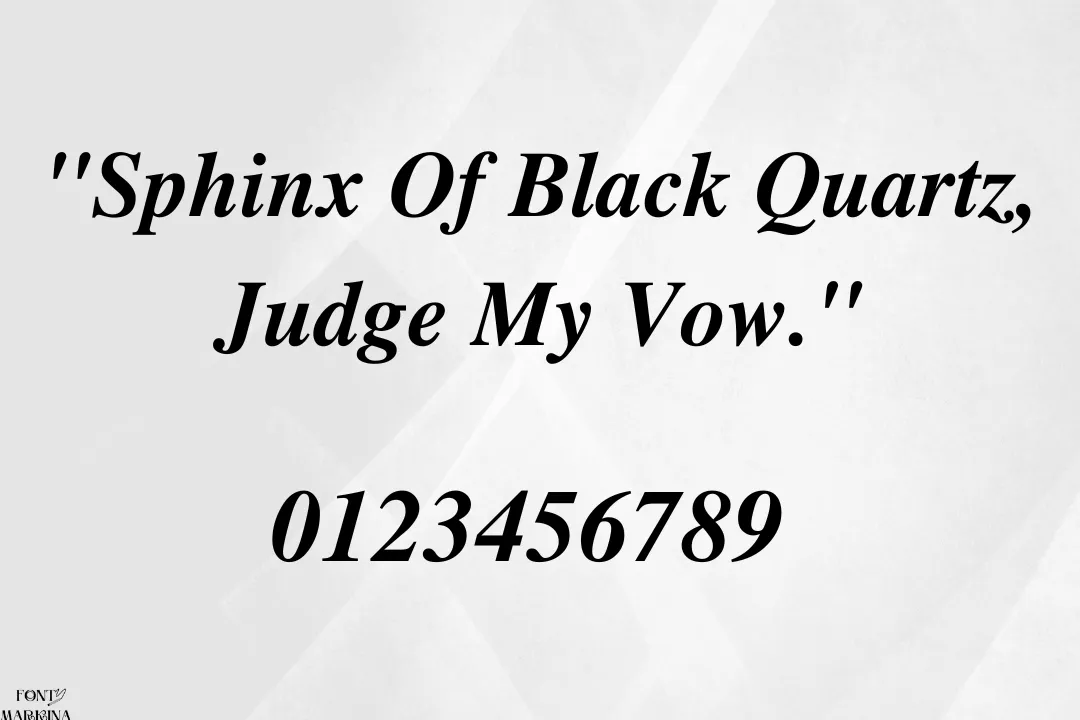
You can also make the pairing of MyslC font with this family. It is also used in many other contexts, including as a default typeface for email and instant messaging programmes, for subtitles and captions in films and videos, and in many other applications.

Font Info
| Name | Times New Roman Font |
| Designer | Stanley Morison |
| Date | 1931 |
| Style | Serif |
| Type | Open Type & True Type |
| Liscence | Free for Personal Use Only |
Similars to Times New Roman Font
- Adobe Garamond Pro Font
- Georgia Font
- Playfair Display Font
- Book Antiqua Font
- Baskerville Font
- Dresden Font
- Bodoni Font
- Palatino Font
- Chanticleer Roman NF Font
- Galatia SIL Bold Font
- Imprint MT Shadow Font
- Dai Banna Font
- Controwell Victorian Font
Font Family
- Times New Roman Bold
- Times New Roman Condensed Bold
- Times New Roman Condensed Italic
- Times New Roman Extra Bold
- Times New Roman Italic
- Times New Roman Bold Italic
- Times New Roman Condensed
- Times New Roman Semi Bold
- Times New Roman Semi Bold Italic
- Times New Roman Medium
- Times New Roman Medium Italic
- Times New Roman Regular
FAQs:
How do I download New Times Roman font in Word?
To download this font in Microsoft Word, you can go to the “Home” tab, then click on the “Font” drop-down menu and select “Times New Roman” from the list of available fonts.
Is Times New Roman free?
It is free to use on most devices because it comes pre-installed with Microsoft Windows, macOS, and many word processors like Microsoft Word. You can download it for free in TTF and OTF formats from trusted sources like FontMarkina.
Is Times New Roman font 12?
Times New Roman can be used in a variety of font sizes; it is not exclusively a 12-point font.
How do I install Times New Roman on Windows 11?
Installing Times New Roman on Windows 11 is simple: Download the Times New Roman font (TTF or OTF file). Right-click the font file and select “Install” or “Install for all users”. The font will automatically appear in applications like Microsoft Word, Canva, Photoshop, and CSS editors.
Restart the program if it doesn’t appear right away.
Is Times Roman the same as Times New Roman?
No, Times Roman and Times New Roman are slightly different. Times Roman was the original version designed in 1931 for The Times newspaper in London.
Times New Roman is a refined and updated version created later by Stanley Morison and Victor Lardent. It became the default serif font in Microsoft Office, CSS, and many publishing platforms.